
“Ancient Wisdom for Modern Life”
Whispers of the Ancestors: Understanding Pitru Paksha 2026
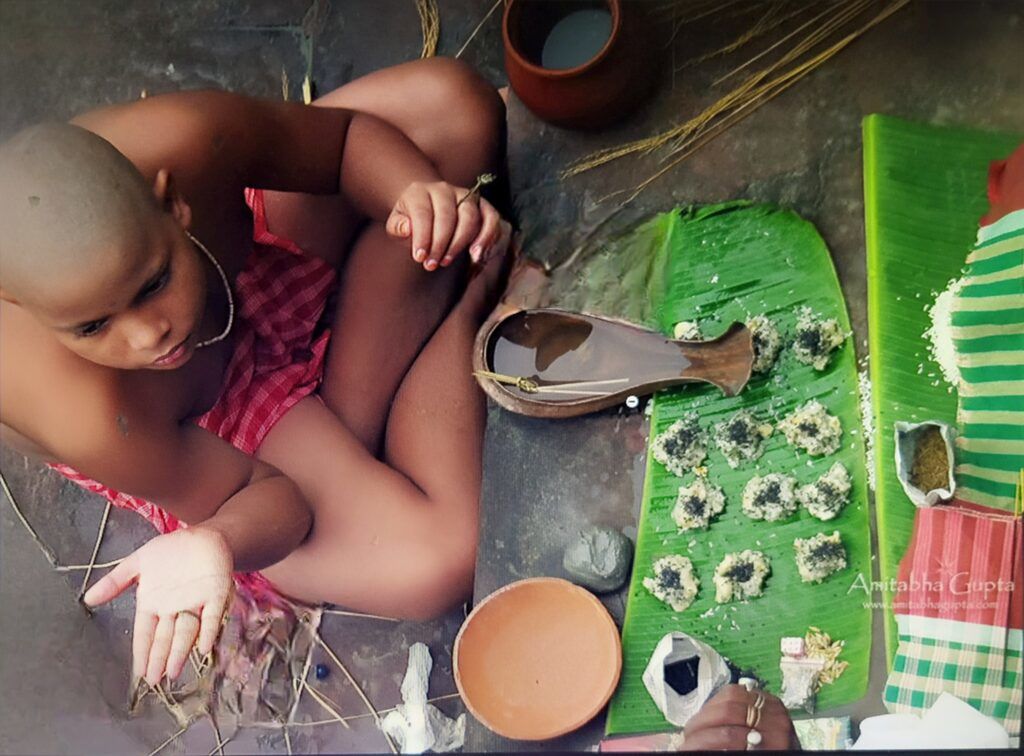
Every autumn, millions of families pause their daily routines to take part in one of the most deeply reflective traditions in Vedic culture: Pitru Paksha (also known as Shradh Paksha or Mahalaya).
Spanning a sacred 16-day lunar cycle, Pitru Paksha is a time dedicated exclusively to honoring deceased ancestors (Pitrus), offering gratitude, and releasing spiritual debts.
Whether you are preparing to perform Shradh rituals at home or simply want to understand the deep symbolism behind the tradition, here is a complete guide to Pitru Paksha 2026.
🗓️ Important Dates for Pitru Paksha 2026
In 2026, Pitru Paksha begins on Saturday, September 26 and concludes on Saturday, October 10 with Sarva Pitru Amavasya.
Because the Hindu calendar operates on lunar tithis (days), rituals are performed on the specific tithi on which an ancestor passed away, regardless of the month or year.
| Shradh Tithi | Date | Day |
| Purnima Shradh | September 26, 2026 | Saturday |
| Pratipada Shradh | September 27, 2026 | Sunday |
| Dwitiya Shradh | September 28, 2026 | Monday |
| Tritiya Shradh | September 29, 2026 | Tuesday |
| Chaturthi Shradh | September 30, 2026 | Wednesday |
| Panchami Shradh | October 1, 2026 | Thursday |
| Shashthi Shradh | October 2, 2026 | Friday |
| Saptami Shradh | October 3, 2026 | Saturday |
| Ashtami Shradh | October 4, 2026 | Sunday |
| Navami Shradh (Matri Shradh) | October 5, 2026 | Monday |
| Dashami Shradh | October 6, 2026 | Tuesday |
| Ekadashi Shradh | October 7, 2026 | Wednesday |
| Dwadashi Shradh | October 8, 2026 | Thursday |
| Trayodashi Shradh | October 9, 2026 | Friday |
| Chaturdashi Shradh | October 10, 2026 | Saturday |
| Sarva Pitru Amavasya (Mahalaya) | October 10, 2026 | Saturday |
Key Takeaway: If the exact tithi of an ancestor’s passing is unknown, rituals can be performed on Sarva Pitru Amavasya (October 10, 2026), which covers all departed souls.
🌾 The Story & Spiritual Significance
Why dedicate half a month to ancestor veneration?
Ancient tradition tells the story of the legendary warrior Karna. When he passed away and reached the heavens, he was offered gold and jewels instead of real food. Confused, Karna asked why he wasn’t receiving sustenance.
He was told that while he had donated gold endlessly during his life, he had never offered food or water to his ancestors. Realizing that Karna had been unaware of his lineage until late in life, he was granted a 15-day reprieve to return to Earth, perform Shradh, and donate food. That 15-day period became known as Pitru Paksha.
                 [ Ancestral Realm (Pitru Loka) ]
                               │
                (Pitru Paksha: Earthly Visit)
                               ▼
     [ Descendants Perform Tarpan & Pind Daan ]
                               │
               (Express Gratitude & Offerings)
                               ▼
     [ Ancestors Granted Peace & Bless Living Lineage ]
Vedic wisdom views human existence as bound by three primary debts (Rinas):
- Deva Rina (Debt to the Divine)
- Rishi Rina (Debt to Teachers & Mentors)
- Pitru Rina (Debt to Ancestors)
By performing Shradh, we honor Pitru Rina—thanking those whose physical, moral, and cultural DNA built the foundation of our present lives.
🪔 Three Pillars of Shradh Rituals
The word Shradh comes from “Shraddha” (devotion or faith). The ceremony traditionally consists of three key steps:
- Pind Daan: Offering cooked rice balls mixed with black sesame seeds, ghee, honey, and milk to feed and comfort departed souls.
- Tarpan: Offering water mixed with Kusha (sacred grass), barley, and black sesame seeds to nourish ancestors spiritually.
- Pancha Bali (Five Feedings): Before the family eats, portions of food are set aside for five entities considered symbolic bridges between the physical and subtle worlds:
- Cows (Gau Bali)
- Dogs (Swa Bali)
- Crows (Kaka Bali)
- Ants & Insects (Pipaladi Bali)
- Priests/Monks (Brahmana Bhojan)
🚫 Essential Dos and Don’ts During Pitru Paksha
Pitru Paksha is a time of solemn reflection, simplicity, and remembrance rather than celebration.
What TO Do:
- Practice Charity: Donate food, clothes, or footwear to the underprivileged.
- Maintain Purity: Prepare simple, sattvic vegetarian meals for offerings.
- Perform Rituals in Muhurat: Complete Tarpan during Kutup or Rohina Muhurat (typically around mid-day, roughly 11:30 AM – 2:30 PM).
- Light a Diya: Place a ghee lamp facing South (the direction associated with Pitru Loka) every evening.
What NOT To Do:
- Avoid Major New Beginnings: Postpone housewarmings (Griha Pravesh), weddings, and launching new business ventures.
- Avoid Heavy/Tamasic Foods: Abstain from non-vegetarian food, alcohol, onions, and garlic during this fortnight.
- Avoid Self-Indulgence: Refrain from buying luxury personal items, getting haircuts, or cutting nails on key ritual days.
“Gratitude turns what we have into enough, and acknowledging our roots anchors our future.”
Pitru Paksha reminds us that we are never truly isolated—we are the living continuation of a long, sacred lineage.