
“Ancient Wisdom for Modern Life”
Pitru Paksha 2025: A Sacred Journey of Ancestral Devotion and Spiritual Fulfillment

Pitru Paksha, also known as Shradh Paksha, stands as one of Hinduism’s most profound spiritual observances—a sacred 16-day period dedicated to honoring our ancestors and expressing gratitude for their sacrifices. This ancient tradition, deeply rooted in Hindu philosophy, offers families an opportunity to connect with their lineage while seeking blessings and peace for both the departed souls and living descendants.
Understanding Pitru Paksha: The Sacred Fortnight
The term “Pitru Paksha” derives from two Sanskrit words: “Pitru” meaning ancestors, and “Paksha” meaning fortnight. This sacred period occurs during the waning phase of the moon in the Hindu lunar month of Bhadrapada, typically falling in September. According to Hindu beliefs, during these days, the souls of ancestors descend to the earthly realm, making them particularly receptive to offerings and prayers from their descendants
Pitru Paksha 2025 Dates:
- Start Date: September 7, 2025 (Sunday) – Bhadrapada Purnima
- End Date: September 21, 2025 (Sunday) – Sarva Pitru Amavasya (Mahalaya Amavasya)
The Spiritual Significance: Fulfilling Ancestral Debt
Hindu scriptures speak of three fundamental debts that every individual must fulfill: Dev Rina (debt to gods), Rishi Rina (debt to sages), and Pitru Rina (debt to ancestors)[7]. Pitru Paksha provides the perfect opportunity to repay this ancestral debt through devoted rituals and offerings.
The period holds immense karmic significance, as performing Shradh during these days is believed to:
- Liberate ancestral souls from the cycle of birth and death
- Provide spiritual nourishment to departed souls
- Secure blessings of prosperity, harmony, and protection for the family
- Neutralize negative karmic influences and ancestral curses
Essential Rituals and Practices*
Tarpan: The Sacred Water Offering
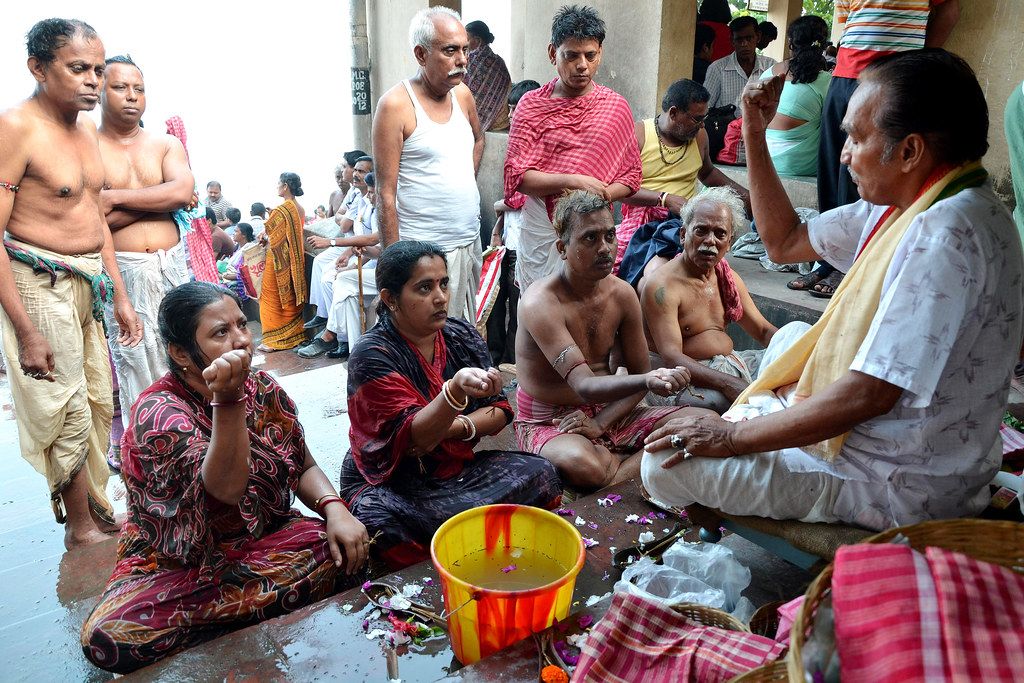
Tarpan forms the cornerstone of Pitru Paksha rituals, involving the offering of water mixed with black sesame seeds, barley, and kusha grass. This ritual symbolizes sustenance provided to ancestors in the afterlife and is performed while chanting specific mantras to invoke their presence.
Tarpan Procedure:
- Use a copper or steel vessel filled with clean water
- Add black sesame seeds, kusha grass, and barley
- Face south (the direction associated with ancestors)
- Offer water three times while chanting “Om Pitru Devatabhyo Namah”
- Remember three generations: father, grandfather, and great-grandfather.
Pind Daan: The Food Offering
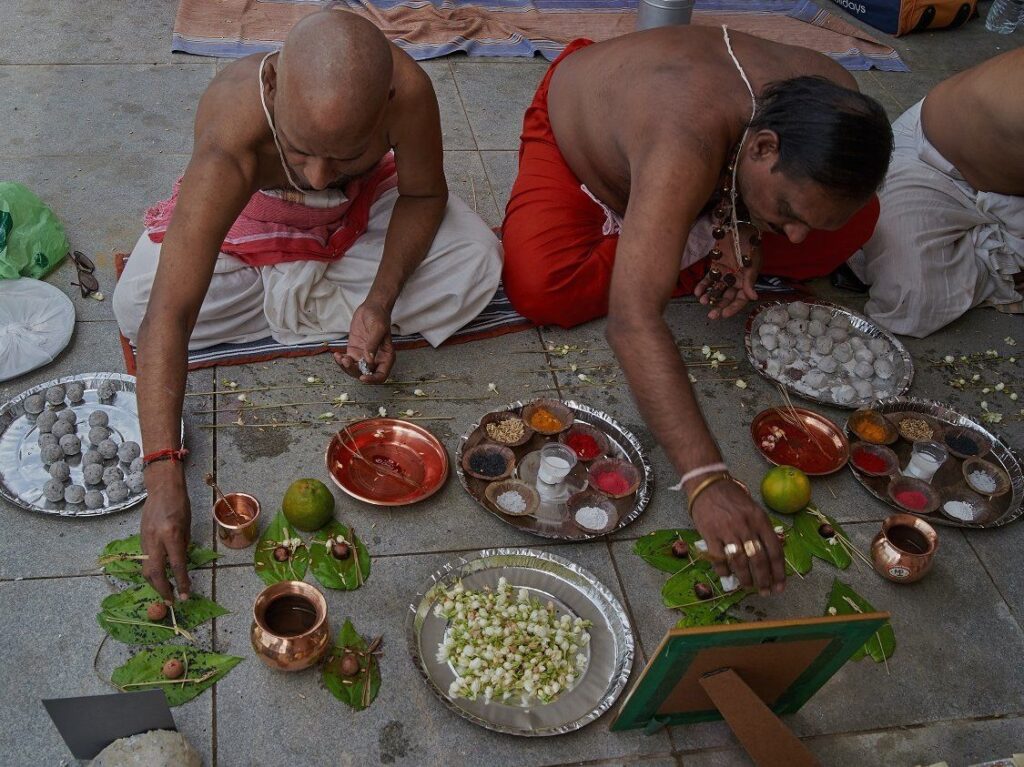
Pind Daan represents the most vital ritual during Pitru Paksha, involving the offering of rice balls (pinds) mixed with sesame seeds, barley, ghee, and honey to ancestors. These offerings are believed to represent physical nourishment for the departed souls and help them attain moksha (liberation).
Brahmin Bhojan: Feeding the Sacred
Feeding Brahmins forms an integral part of Shradh ceremonies. Families prepare traditional meals including puris, kheer, rice, dal, and vegetables, which are first offered to Brahmins before family members partake. This practice is considered essential for completing the ritual and ensuring ancestors receive the offerings.
Sacred Destinations: Where Ancestors Find Peace*
Gaya: The Ultimate Pilgrimage
Gaya in Bihar holds unparalleled significance for Pitru Paksha rituals. According to Hindu mythology, Lord Vishnu granted salvation to Lord Rama’s ancestors in this sacred city. The city’s association with both Lord Vishnu and Buddha makes it the most revered destination for performing Pind Daan and Shradh ceremonies.
Why Gaya is Special:
- Performing rituals here provides unparalleled spiritual merit
- The Falgu River and Vishnupad Temple offer sacred venues for ceremonies[14]
- Thousands of pilgrims gather annually to honor their ancestors[12]

Foods and Dietary Guidelines
During Pitru Paksha, specific dietary restrictions must be observed to maintain the ritual’s sanctity:
Recommended Foods:
- Rice, dal, and traditional vegetables
- Sesame seeds and barley
- Ghee, milk, and honey
- Fruits and traditional sweets
- Simple vegetarian meals[13]
Foods to Avoid:
- Non-vegetarian dishes
- Onions and garlic
- Leafy vegetables and cucumbers
- Alcoholic beverages
- Cabbage and pumpkin (when serving Brahmins)[13]
Regional Variations and Cultural Practices
While Pitru Paksha is observed throughout India, regional customs vary:
Northern India: Families often gather near riverbanks and temples dedicated to ancestors, with special emphasis on Ganga ghats[6]
Southern and Western India: Observances typically occur in the second half of Bhadrapada month, following Ganesh festivals[6]
Eastern India: The period coincides with Durga Puja preparations, creating a unique spiritual atmosphere
Modern Adaptations and Online Services
Recognizing the challenges faced by modern families, many organizations now offer online Pind Daan and Shradh services. These services ensure authentic ritual performance by learned priests on behalf of families who cannot physically visit sacred locations[11].
Benefits of Online Services:
- Authentic ritual performance by qualified priests
- Detailed photo and video documentation
- Convenient for overseas devotees
- Maintains traditional authenticity
The Symbolism of Crows and Divine Messengers
Hindu tradition regards crows as messengers of Yama, the god of death, and representatives of ancestors[8]. During Pitru Paksha, offering food to crows holds special significance—if crows accept the offerings, it indicates ancestral satisfaction and blessings.
Preparing for Pitru Paksha: A Step-by-Step Guide
Pre-Ritual Preparation:
- Clean the house thoroughly and create a sacred space
- Arrange necessary items: rice, sesame seeds, barley, ghee, honey
- Set up the altar facing south with ancestor photographs
- Prepare traditional foods avoiding prohibited ingredients
During the Ritual:
- Take a purification bath and wear clean, traditional clothes
- Light incense and lamps to create a spiritual atmosphere
- Perform Tarpan with proper mantras and offerings
- Conduct Pind Daan with rice balls and sacred substances
- Feed Brahmins and distribute food to the needy
Conclusion: Embracing Ancestral Wisdom
Pitru Paksha represents far more than ritualistic observance—it embodies the eternal connection between past, present, and future generations. Through devoted participation in these sacred practices, we not only honor our ancestors but also cultivate spiritual growth, family harmony, and karmic balance.
As we prepare for Pitru Paksha 2025, let us approach this sacred period with reverence, understanding, and heartfelt devotion. Whether performed in the sacred ghats of Gaya and Varanasi or in the sanctity of our homes, these rituals connect us to our roots while paving the path for spiritual elevation and ancestral blessings.
The teachings of our ancestors live on through these traditions, reminding us that death is not an end but a transition, and that love, respect, and remembrance transcend the boundaries between the physical and spiritual realms.
May this Pitru Paksha bring peace to all departed souls and abundant blessings to every family observing this sacred tradition.
Nice Information