
“Ancient Wisdom for Modern Life”
🚩 Ram Navami 2026: Date, Puja Vidhi, Shubh Muhurat, Vrat & Mantras — Complete Guide
Published by VaydikCosmos | “Ancient Wisdom for Modern Life”
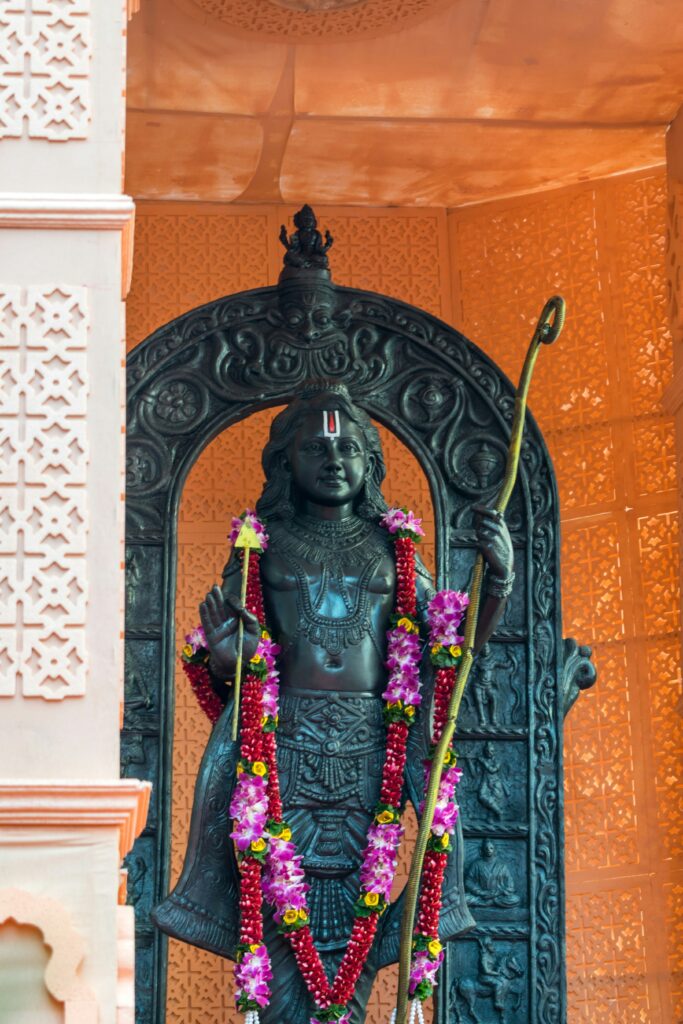
Jai Shri Ram! 🙏
Among all the festivals of the Hindu calendar, Ram Navami holds a place of supreme reverence and devotion. It celebrates the divine birth of Shri Ram — the seventh avatar of Lord Vishnu, the ideal king, the perfect son, the embodiment of dharma and truth. In 2026, Ram Navami arrives on Thursday, March 26, and this guide will walk you through everything you need to celebrate it with full devotion, correct ritual, and spiritual awareness.
📅 Ram Navami 2026 — Date & Tithi
Ram Navami 2026: Thursday, March 26, 2026 Tithi: Chaitra Shukla Navami (9th day of bright fortnight of Chaitra month) Vikram Samvat: 2082 Nakshatra: Punarvasu — the very birth nakshatra of Lord Ram
Ram Navami falls on the ninth day (Navami) of Chaitra Shukla Paksha every year — the same day and same tithi on which Shri Ram was born in Tretayuga in the royal palace of Ayodhya. The coincidence of Chaitra Shukla Navami with Punarvasu nakshatra and Karka Lagna is considered exceptionally auspicious, just as it was at the moment of Ram’s birth.
💡 This year Ram Navami and Chaitra Navratri’s ninth day (Maha Navami) coincide — making this day doubly powerful for worship.
🌅 Shubh Muhurat for Ram Navami Puja 2026
| Puja Time | Timing |
|---|---|
| Brahma Muhurat | 4:28 AM – 5:56 AM |
| Madhyahna (Midday) Puja — Most Auspicious | 11:00 AM – 1:30 PM |
| Ram Janma Kaal (Birth moment) | 12:00 PM – 12:30 PM |
| Sandhya Aarti | 6:45 PM – 7:30 PM |
⏰ The midday window (around 12 PM) is considered the most sacred — this is the approximate birth time of Lord Ram. Performing puja during this window is highly recommended.
🌟 Significance of Ram Navami — Why We Celebrate
Lord Ram was not merely a king — He was the Maryada Purushottam — the ideal man, the highest example of righteous living. He is worshipped because He showed humanity how to live:
- As a son — He gave up His kingdom to honour His father’s word without hesitation
- As a husband — His love and devotion for Sita Mata was unwavering
- As a king — Ram Rajya became the eternal symbol of justice, equality, and prosperity
- As a devotee — Even as God Himself, He showed how to walk the path of dharma with humility
Worshipping Shri Ram on Ram Navami: ✅ Destroys sins and negative karma ✅ Brings peace, harmony, and righteousness into family life ✅ Grants success in legal matters and disputes ✅ Blesses with strong character and mental clarity ✅ Fulfils long-held wishes when prayed with sincerity
🌺 Ram Navami Puja Vidhi — Step by Step
🔱 Samagri Required (Puja Materials)
- Yellow flowers (marigold, champa)
- Tulsi leaves — essential for Vishnu/Ram puja
- Panchamrit (milk, curd, honey, ghee, sugar)
- Yellow cloth or asan
- Idol or image of Shri Ram, Sita, Laxman and Hanuman
- Incense sticks and pure ghee diya
- Coconut, betel leaves, supari
- Fruits — banana, mango, or seasonal
- Charnamrit vessel
- Sandalwood paste (chandan)
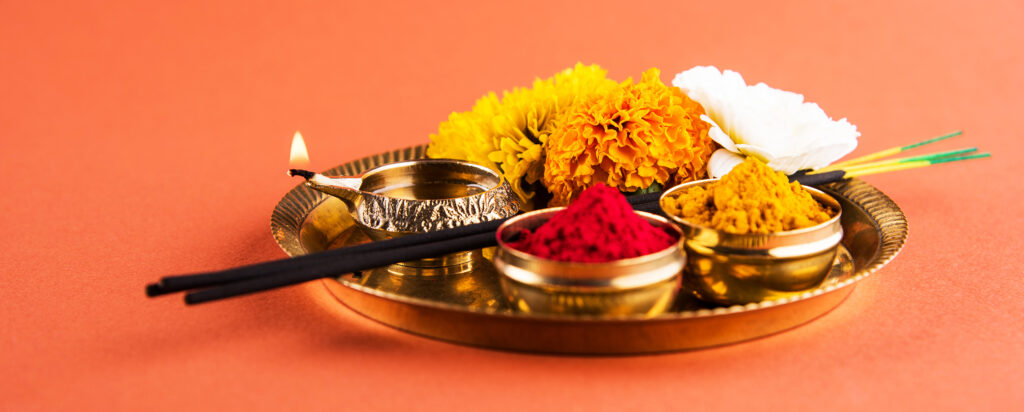
📿 Step-by-Step Puja Vidhi
Step 1 — Sankalp Rise early, bathe, and wear yellow or white clothes. Light a diya and take a Sankalp — a heartfelt resolution to perform the puja with full sincerity and devotion.
Step 2 — Sthapana Place the image or idol of Shri Ram with Sita Mata, Laxman Ji, and Hanuman Ji on a clean yellow cloth. Face the altar East or North-East.
Step 3 — Avahana With folded hands, chant:
“Om Ram Ramaya Namah — Shri Ram, Sita Ram, Jai Jai Ram”
Invite the divine presence of Lord Ram with full humility and love.
Step 4 — Panchamrit Abhishek Bathe the idol with Panchamrit — milk first, then curd, honey, ghee, and finally sugar water — chanting “Om Ram Ramaya Namah” with each offering. Rinse with clean Gangajal or water.
Step 5 — Chandan & Flowers Apply sandalwood paste on the idol’s forehead. Offer yellow flowers and Tulsi leaves at the feet of Ram Ji.
Step 6 — Dhoop, Deep & Naivedya Light incense and the ghee diya. Offer bhog — preferably panchamrit, fruits, and panjeeri (a sacred sweet offering especially made on Ram Navami).
Step 7 — Ramcharitmanas or Ramayana Path Read aloud from the Ramcharitmanas (Tulsidas) or the Valmiki Ramayana — especially the Bal Kand, which describes Lord Ram’s birth. Even reading a few verses on this day is immensely meritorious.
Step 8 — Ram Chalisa or Ram Stuti Recite the Ram Chalisa or the Shri Ram Stuti:
“Shri Ramchandra Kripalu Bhaju Man, Haran Bhava Bhaya Darunam…”
Step 9 — Aarti Perform the Ram Ji Aarti:
“Aarti Kije Ramchandra Ji Ki, Dushta Dalan Raghunath Ji Ki…”
Offer camphor flame while ringing a bell.
Step 10 — Prasad Distribution Distribute panjeeri, panchamrit, or fruit prasad to all family members. Share with neighbours — this is a sign of Ram’s abundance.
🕉️ Powerful Ram Mantras for Ram Navami
Mool Mantra (For Blessings & Protection):
ॐ रामाय नमः Om Ramaya Namah (Chant 108 times with a tulsi mala)
Ram Taraka Mantra (For Liberation & Inner Peace):
ॐ नमो भगवते वासुदेवाय Om Namo Bhagavate Vasudevaya
Rama Ashtakam (For Complete Protection):
भजे विशेषसुंदरं, समस्तपाप खण्डनम् स्वभक्तचित्तरंजनं, सदैव राम मद्वयम्
Ram Naam Japa (Simplest & Most Powerful):
राम राम राम राम राम राम राम राम…
The continuous chanting of “Ram” — even without a formal ritual — is said in the Upanishads to be equivalent to reciting all 1,000 names of Vishnu. Lord Shiva Himself tells Parvati Ji that the name “Ram” is His most beloved mantra.
🥛 Vrat (Fasting) Rules for Ram Navami
Observing a fast on Ram Navami is a deeply meritorious practice. Here are the complete rules:
Who Should Fast: Anyone seeking peace, resolution of legal matters, family harmony, or relief from health challenges.
What to Eat (Phalahar Fast):
- Fruits, milk, curd, sabudana khichdi
- Singhara atta preparations, kuttu atta rotis
- Dry fruits, nuts, rock salt preparations
- Panjeeri made from wheat flour and ghee (traditional Ram Navami prasad)
What to Avoid:
- Non-vegetarian food, eggs
- Onion, garlic, and masoor dal
- Grains (wheat, rice) if observing strict fast
- Alcohol and intoxicants
When to Break the Fast: After the midday puja around 12:30–1:00 PM — after Ram Janma Kaal has passed and you have offered bhog to Ram Ji.
🏛️ Famous Ram Temples to Visit on Ram Navami 2026
- Ram Janmabhoomi Mandir, Ayodhya — The holiest Ram temple, built at the exact site of His birth. Millions visit on Ram Navami
- Kodandarama Temple, Hampi, Karnataka — Said to be where Ram crowned Vibhishana after Lanka’s victory
- Ram Raja Temple, Orchha, MP — The only temple in India where Ram is worshipped as a king and given a royal salute
- Sita Ramachandra Swamy Temple, Bhadrachalam — Famous for Ram and Sita’s wedding re-enactment on this day
- Tulsi Manas Temple, Varanasi — Built at the site where Tulsidas wrote the Ramcharitmanas
🌟 Special Things to Do on Ram Navami 2026
- 🟡 Wear yellow or white clothes
- 🪔 Keep a ghee diya burning throughout the day
- 📖 Read or listen to Ram Katha or Ramcharitmanas as a family
- 🍬 Prepare and distribute panjeeri prasad
- 🤝 Perform charity and seva — donate to the poor in Ram’s name
- 📿 Chant Ram naam continuously — even while working
- 🚫 Speak only kind, truthful words on this day — honouring Ram’s ideals
💫 A Word from VaydikCosmos
Shri Ram is not a distant deity — He is the consciousness of dharma that lives within each of us. Every time you choose truth over convenience, patience over anger, and service over selfishness — you are walking in Ram’s footsteps. On Ram Navami, let us not just perform rituals but truly reflect on His life and resolve to bring a little more Ram Rajya — a little more righteousness — into our own homes and hearts.
Jai Shri Ram! 🙏
📞 Book a Ram Navami Puja Consultation
Want a personalized Ram Navami Puja performed with proper Vedic rituals for your family’s peace and prosperity? Our pandits at VaydikCosmos can guide you through a complete ritual or perform it on your behalf.
👉 Book Appointment Now | ✉️ talkeasynimisha@gmail.com
Tags: Ram Navami 2026, Ram Navami puja vidhi, Ram Navami date 2026, Ram Navami vrat, Chaitra Navami, Ram mantra, Jai Shri Ram, Ram Navami muhurat